by Marion Smith
A solemn ceremony at the residence of the French Ambassador honoured the millions who lost their lives in the First World War, while reflecting on the enduring friendship between France and South Africa and the responsibility of future generations to preserve peace.
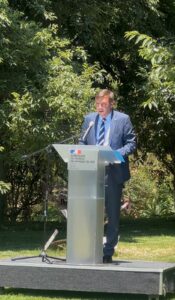
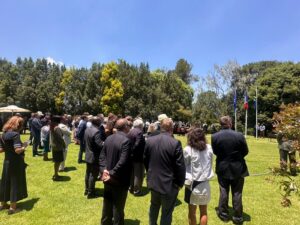
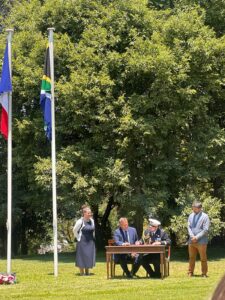
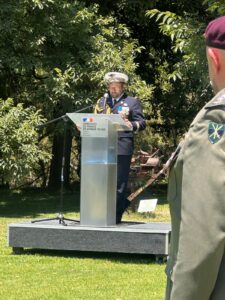
At precisely 11 am on 11 November, the traditional moment of remembrance, guests gathered at the residence of the French Ambassador, H.E. Mr Antoine Michon, to mark the 108th anniversary of the Armistice that ended the fighting of the First World War.
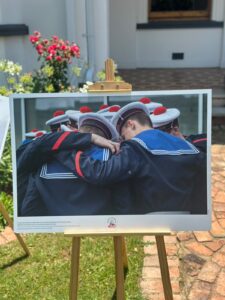
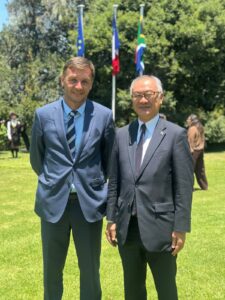
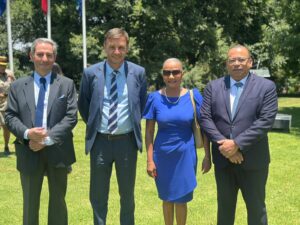
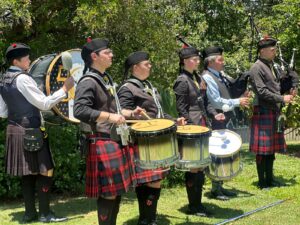
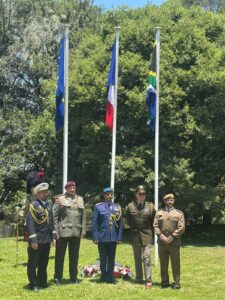
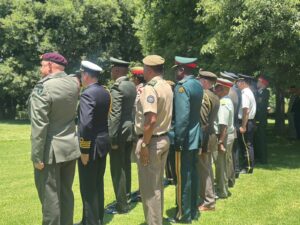
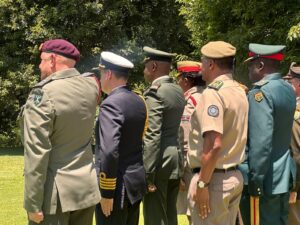
The solemn occasion began with a wreath-laying ceremony, followed by a minute’s silence and the French national anthem. Diplomats, military representatives and guests stood together in reflection, paying tribute to those who made the ultimate sacrifice during the Great War.
In his address, Ambassador Michon spoke of the devastating human cost of the conflict, which left millions of families grieving and entire generations scarred by loss.
He reminded guests that behind every name engraved on a war memorial was a person with a life, dreams and a future that would never be realised.
“For millions of families, the war was not simply a historical event. It was a personal tragedy,” he reflected, highlighting the courage, suffering and sacrifice of soldiers and civilians alike.
Remembering South Africa’s Sacrifice
For South Africa, remembrance of the First World War carries particular significance, especially through the tragic events at Delville Wood in France in July 1916.
Ambassador Michon recalled the bravery of the First South African Infantry Brigade, which was ordered to capture and hold Delville Wood during the Battle of the Somme.
For six days and five nights, the South African soldiers endured relentless fighting under extraordinarily difficult conditions. Of the approximately 3,000 men who entered the battle, around 2,500 were killed, wounded, captured or reported missing.
The battle remains one of the most powerful symbols of South Africa’s sacrifice during the First World War.
The Ambassador also acknowledged the contribution of the South African Native Labour Corps and the many men from Africa, Asia and other parts of the world who served during the conflict. Their contribution, he emphasised, is an inseparable part of the history of the Great War.
Their stories remind us that the war was a global tragedy, fought and endured by people from many nations and backgrounds.
Symbols of Remembrance and Friendship
An especially moving moment in the address was the reference to the symbols of remembrance shared by France and South Africa.
The blue cornflower, traditionally worn in France, and the red poppy, widely associated with remembrance in South Africa and other Commonwealth countries, represent different traditions but carry a common message of honour, sacrifice and remembrance.
Ambassador Michon noted that the relationship between France and South Africa is built not only on a shared history of sacrifice but also on friendship, liberty and a commitment to peace.
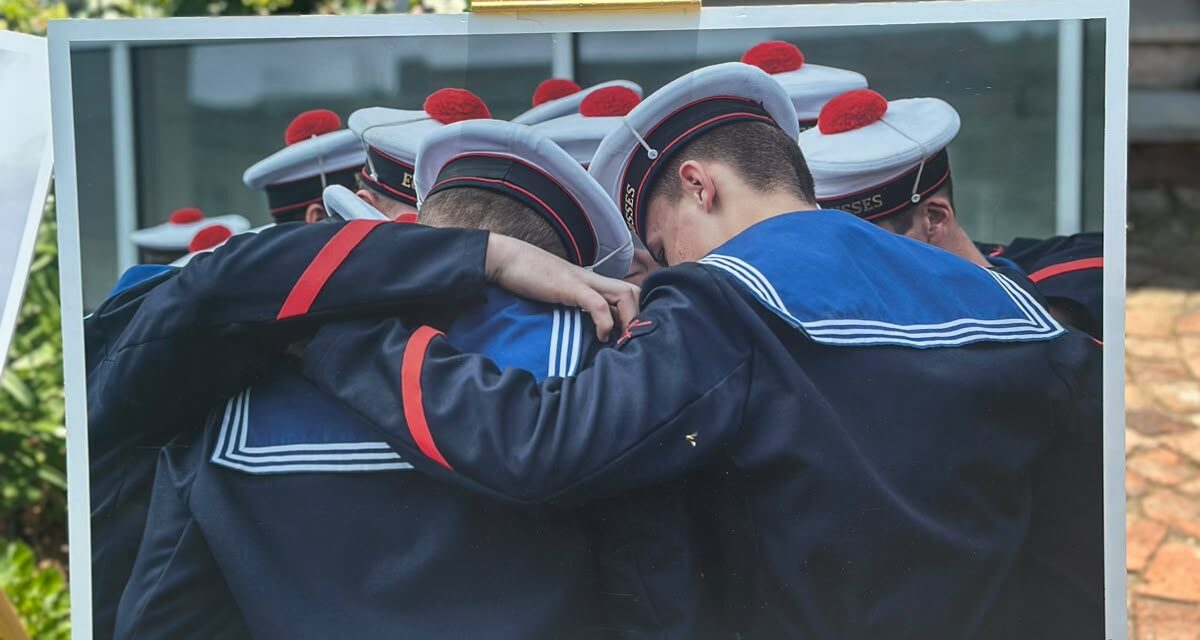
He also paid tribute to French service personnel who had lost their lives in the line of duty, honouring their courage and dedication and acknowledging the grief experienced by their families and loved ones.
A Responsibility to Future Generations
While remembrance is an opportunity to reflect on the past, the Ambassador emphasised that it also carries an important message for the present.
With war having returned to Europe and conflicts continuing in other parts of the world, the lessons of 1918 remain particularly relevant.
He pointed to the remarkable transformation of relations between France and Germany following the devastation of the Second World War as an example of what political courage, reconciliation and a shared commitment to peace can achieve.
Former enemies became partners, demonstrating that even the deepest divisions can be overcome through determination and cooperation.
Addressing the younger generation present at the ceremony, Ambassador Michon encouraged students to embrace remembrance not as a burden but as a responsibility.
He called on them to reject hatred and intolerance, defend human dignity and human rights, and build bridges where differences threaten to create divisions.
His message was clear: peace and freedom should never be taken for granted. They require constant commitment, understanding and collective responsibility.
As the ceremony drew to a close, the message of the day extended beyond the remembrance of those who had fallen. It was also a renewed commitment to ensuring that future generations would not have to experience the horrors of war.
The 11th of November remains a moment to honour the past, recognise the sacrifices made by so many nations and reflect on the importance of protecting the values of freedom, dignity and peace.