by Marion Smith
From healthcare and water security to education and innovation, an interactive dialogue hosted by Tunisia’s Ambassador highlighted the importance of African-led artificial intelligence solutions and scientific cooperation.
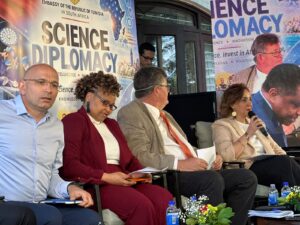
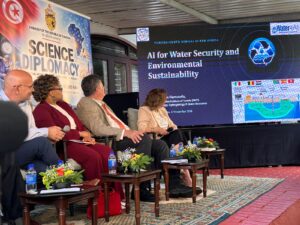
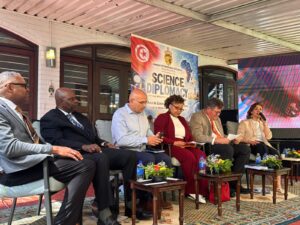
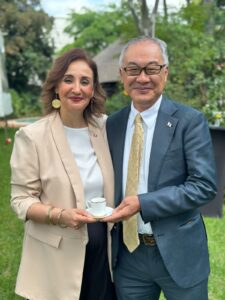
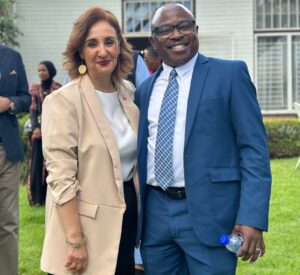
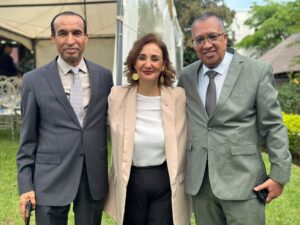
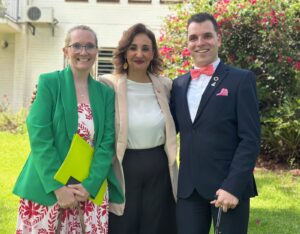
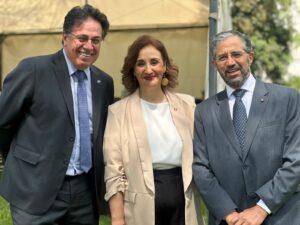
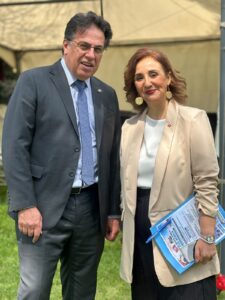
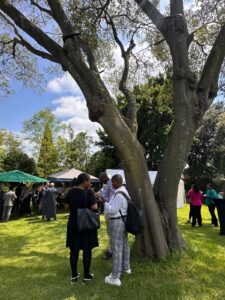
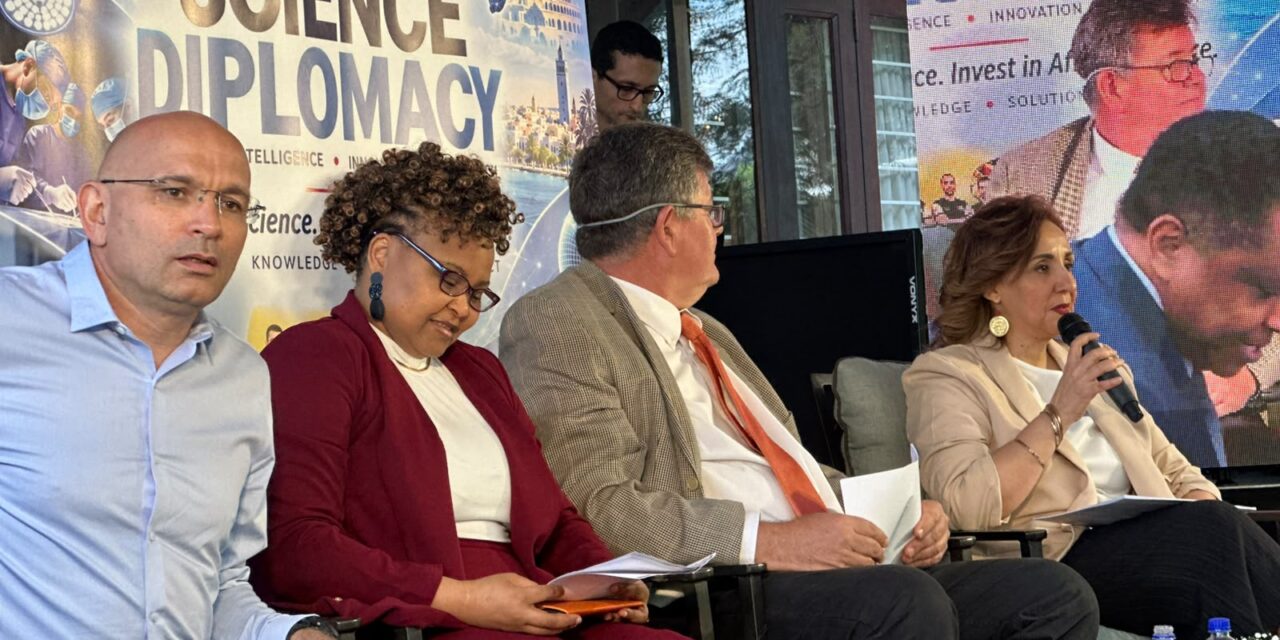
The future of artificial intelligence (AI) in Africa took centre stage in Pretoria when the Ambassador of Tunisia to South Africa, H.E. Ms Karima Bardaoui, hosted an interactive dialogue titled Tunisia–South Africa: AI for Africa – Science, Students & Solutions at her residence.
The event, held in the lead-up to Tunisia’s participation in Science Forum South Africa 2026, commemorated World Science Day for Peace and Development, observed on 10 November, and International Students’ Day, celebrated on 17 November.
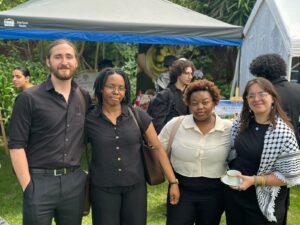
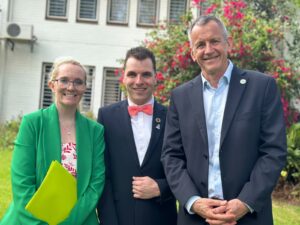
Bringing together diplomats, academics, scientists, healthcare professionals and technology experts, the discussion explored how AI could help address some of the continent’s most pressing development priorities, particularly healthcare, water security, environmental sustainability and education.
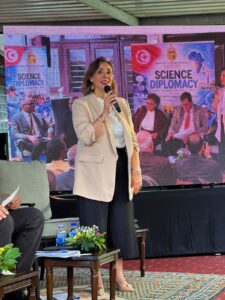
Ambassador Bardaoui emphasised the importance of science diplomacy in building bridges between countries and creating opportunities for knowledge-sharing and cooperation.
She opted for an engaging discussion format rather than traditional, lengthy speeches, placing particular emphasis on the younger generation and the role students will play in shaping Africa’s technological future.
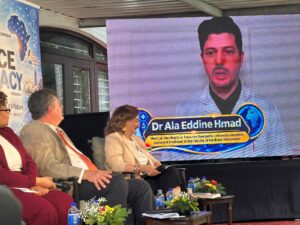
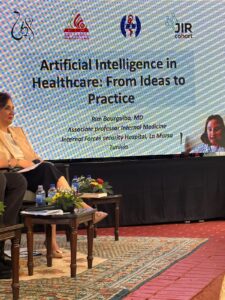
One of the key discussions focused on the application of AI in healthcare. Ophthalmologist Dr Petrus Gous highlighted how artificial intelligence could assist medical professionals in detecting conditions such as glaucoma, diabetes-related eye disease and cataracts at an earlier stage.
Glaucoma, often described as the silent thief of sight, can cause irreversible vision loss before patients become aware of the damage. AI-powered screening and image analysis offer opportunities to identify affected patients earlier and monitor disease progression.
However, Dr Gous cautioned that technology alone was not enough. Early detection had to be supported by accessible treatment and proper medical care. He also stressed the importance of developing AI systems suited to African populations rather than simply importing technologies designed for other parts of the world.
The conversation extended to the relationship between scientific research and public policy. A representative of the Academy of Science of South Africa highlighted the need for stronger partnerships between researchers, governments and diplomats to ensure that scientific findings translate into meaningful solutions for society.
The importance of trust, reliable data and practical implementation also emerged during discussions on AI applications for water management and disaster preparedness. While universities and start-ups are developing promising technologies, integrating these solutions into public services and rural communities remains a challenge.
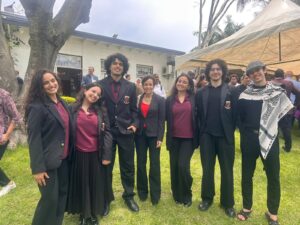
A particularly important part of the dialogue focused on students and the next generation of African innovators.
Contributions from Tunisia highlighted the importance of AI literacy, practical training, entrepreneurship and cooperation between universities. Students should not simply learn how to use AI but also understand how it works, recognise its limitations and question its results.
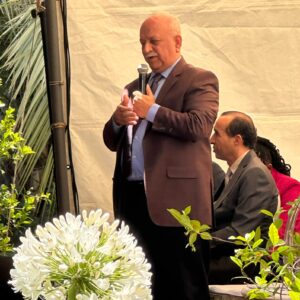
Professor Arthur Mutambara of the University of Johannesburg challenged Africa to move beyond being a consumer of technology and become a creator of its own AI systems.
He outlined five essential layers of the AI industry in which Africa needs to develop capabilities: energy, semiconductor chips, infrastructure and data centres, large language models, and applications that address local needs.
He also emphasised that no single African country could independently compete at the highest levels of AI development. Continental cooperation, shared resources, investment and political commitment would be essential.
Professor Mutambara also offered an important message to young people, pointing out that although AI would transform and eliminate certain jobs, it would also create new opportunities and require different skills.
Education, adaptability, resilience, entrepreneurship and the ability to continually learn would become increasingly important.
The discussion reinforced the idea that Africa’s technological future must be shaped by African talent, informed by African priorities and strengthened through international scientific partnerships.
A memorable quote from the afternoon captured the central message of the event: “AI should remain our slave, not our master.”
For Ambassador Bardaoui, the dialogue was another opportunity to demonstrate how diplomacy can extend beyond political relations and contribute directly to development through science, education and innovation.
As Tunisia prepares to participate in Science Forum South Africa 2026, the discussions provided a timely reminder that artificial intelligence is not simply about technology. It is about people, opportunity and finding practical solutions to challenges shared by both countries and the wider African continent.
Ultimately, Africa should not merely participate in the AI revolution. It should help shape it.