by Marion Kate
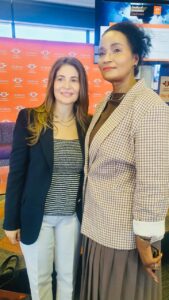
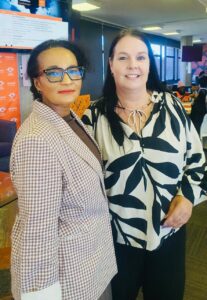
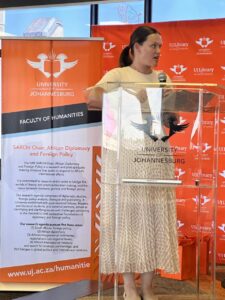
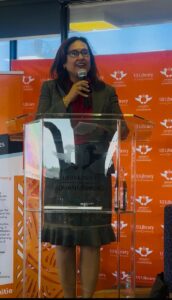
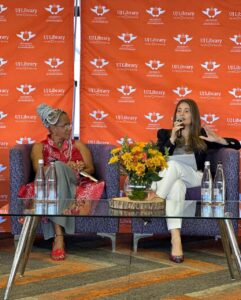
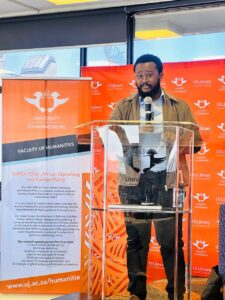
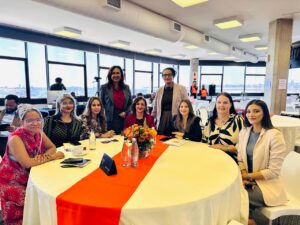
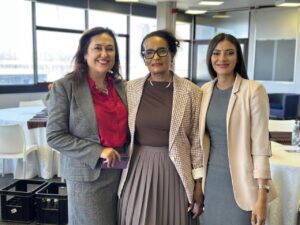
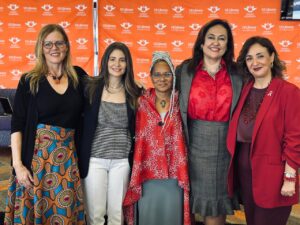
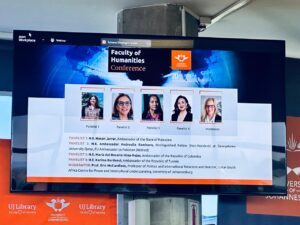
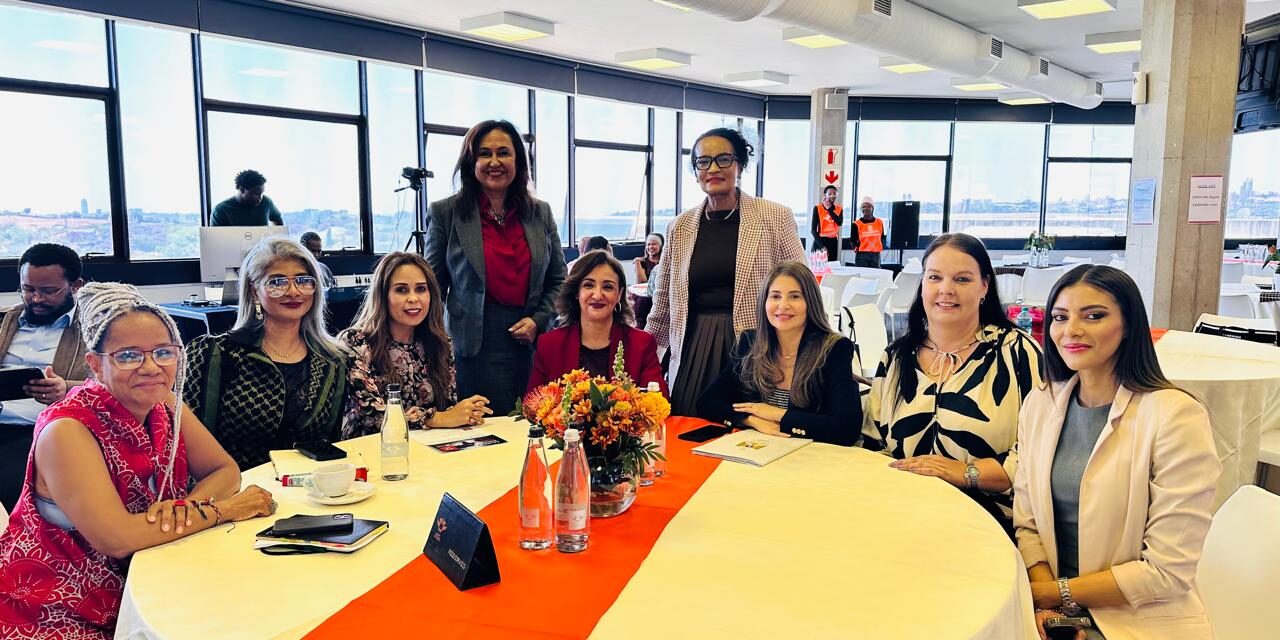
The Women and Peace: Diplomacy in a Fractured World Order roundtable event highlighted the critical yet often under recognised role of women in shaping peace and diplomacy across conflict and post conflict settings. Ms Ayşegül Kandas, Honorary Professor of Practise at the University of Johannesburg Department of Humanities, assisted in bringing together distinguished women ambassadors and diplomats, H.E. Hanan Jarrar (Palestine), H.E. Androulla Kaminara (EU and Pakistan), H.E. María del Rosario Mina Rojas (Colombia) and H.E. Karima Bardaoui (Tunisia). The discussion, moderated by Prof. Erin McCandless, explored how women’s leadership transforms approaches to negotiation, mediation and peacebuilding.
Against a backdrop of global instability marked by renewed geopolitical tensions and weakened multilateralism, the event underscored the need for inclusive and justice centred diplomacy. Women diplomats often employ approaches rooted in empathy, collaboration and long term social repair, which are key to achieving durable peace. Research consistently shows that peace agreements are more sustainable when women are meaningfully involved, as they broaden the agenda beyond ceasefires to include justice, social cohesion and community recovery.
The roundtable coincided with the 25th anniversary of UN Security Council Resolution 1325 on Women, Peace and Security (WPS), which affirmed women’s right to full participation in peace and security decisions. Yet progress remains slow. In 2023, women made up only 9.6 per cent of negotiators, 13.7 per cent of mediators and 26.6 per cent of signatories in peace processes. Such disparities highlight persistent structural and cultural barriers that continue to limit women’s influence.
Discussions focused on four themes: gendered dimensions of peace diplomacy and the WPS agenda, women led diplomatic responses to conflict, women’s perspectives on international legal and political systems, and transformations in multilateral diplomacy, particularly the leadership emerging from the Global South.
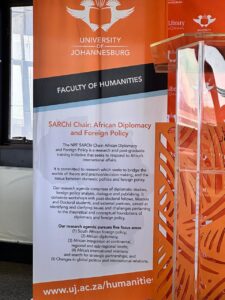
Hosted by the SARChI Chair in African Diplomacy and the Qatar South Africa Centre for Peace and Intercultural Understanding, the roundtable called for renewed global efforts to integrate women’s voices and leadership at every level of diplomacy, essential for building more inclusive, equitable and lasting peace.