by Marion Smith
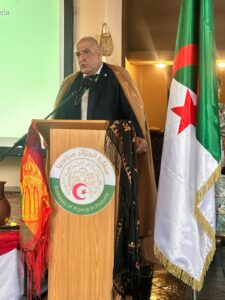
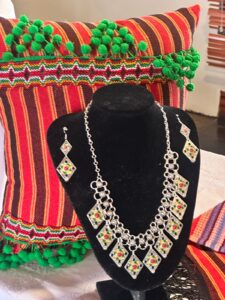
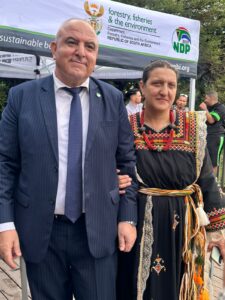
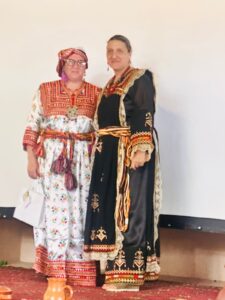
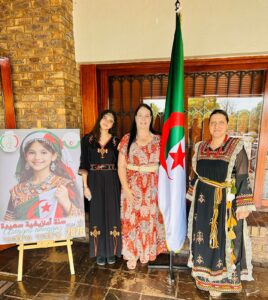
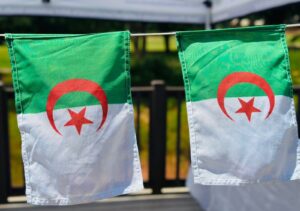
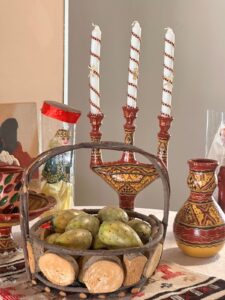
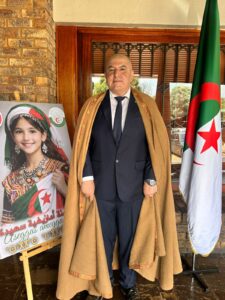
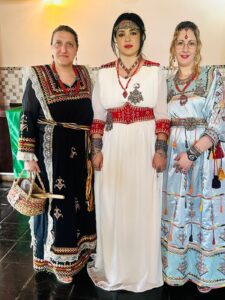
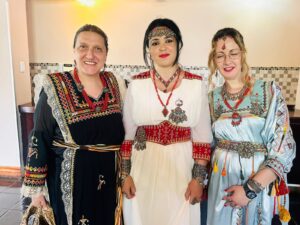
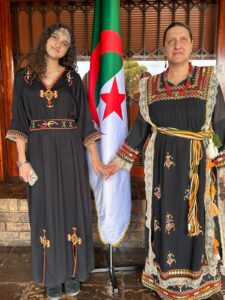
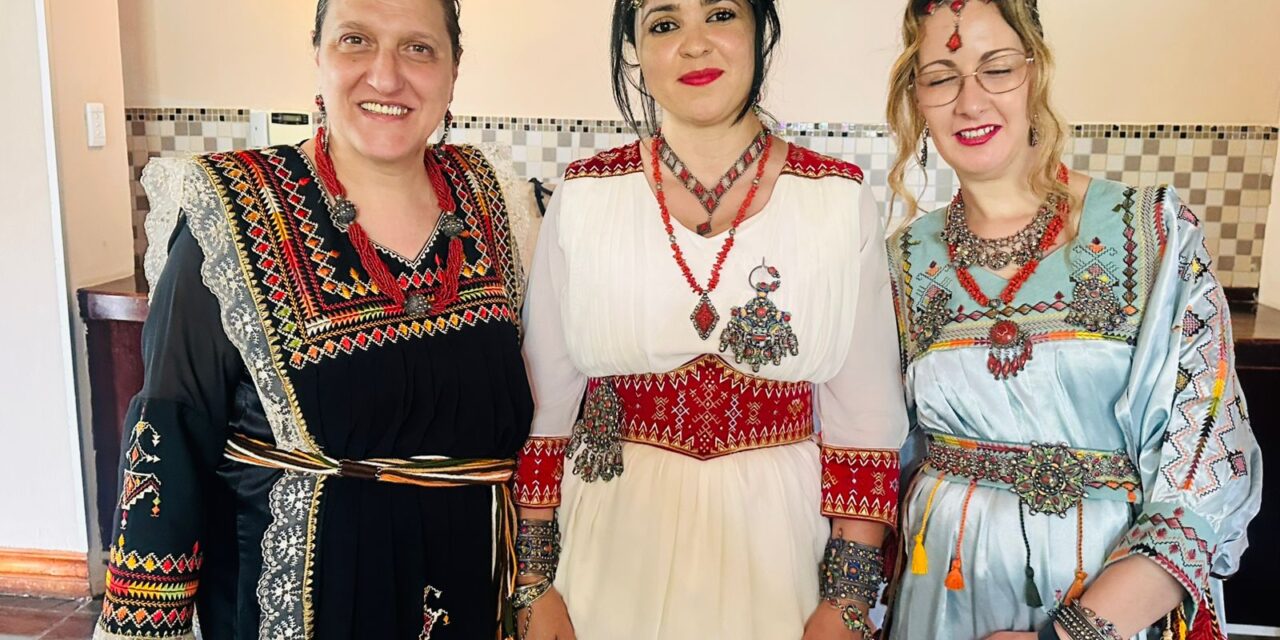
It was a true honour to celebrate Yennayer, the Amazigh New Year, with the Algerian community at the Embassy of Algeria in Pretoria. The event was a vibrant reflection of Algeria’s rich cultural tapestry, bringing together tradition, history and a powerful sense of unity.
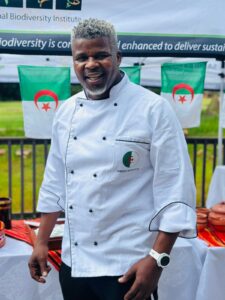
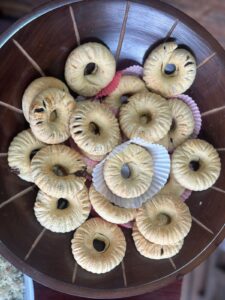
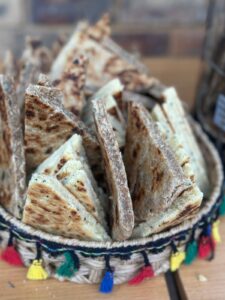
One of the highlights of the celebration was having the privilege to serve as a judge for the couscous competition, a moment that beautifully showcased Algerian cuisine and heritage. Each dish told a story of family, of region and of generations passing down knowledge through flavour. The care, love and pride infused into every plate made the experience genuinely unforgettable.
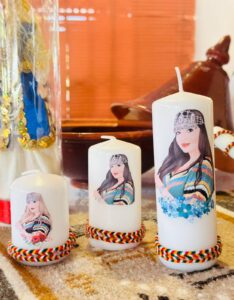
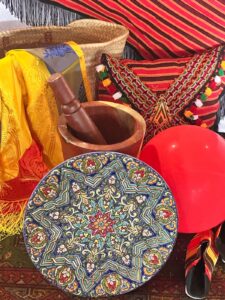
I extend my sincere gratitude to His Excellency Ambassador Mr Ali Achoui for his warm hospitality and the generous gift. His leadership and commitment to cultural diplomacy were evident throughout the celebration, creating an atmosphere of welcome and togetherness.
The Meaning and History of Yennayer
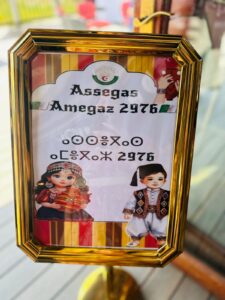
Yennayer marks the Amazigh (Berber) New Year, celebrated annually on 12 or 13 January, and is one of the oldest known celebrations in North Africa, dating back nearly 3,000 years. It is rooted in the Amazigh agricultural calendar, symbolising renewal, prosperity and hope for a fertile year ahead.
Historically, Yennayer commemorates the ascension of King Sheshonq I, an Amazigh ruler who became Pharaoh of Egypt around 950 BCE. Over time, the celebration evolved into a cultural and seasonal marker, closely linked to the land, harvest cycles and communal harmony.
In Algeria, Yennayer is officially recognised as a national public holiday, underscoring its importance in affirming Amazigh identity and celebrating the country’s diverse cultural heritage. Traditions often include shared meals, couscous prepared with symbolic ingredients, storytelling, music and acts of generosity, especially towards children and those in need.
Celebrating Yennayer at the Algerian Embassy was more than a cultural event. It was a meaningful reminder of the power of heritage to bring people together. It stood as a testament to pride in identity, respect for history and the enduring spirit of community.
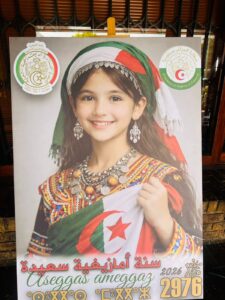
Assegas Ameggaz. Happy New Year to all who celebrate.