by Marion Smith
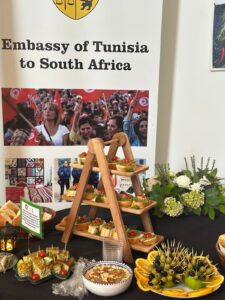
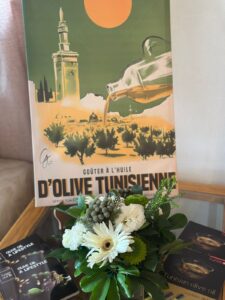
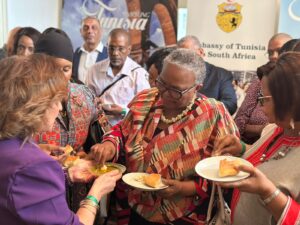
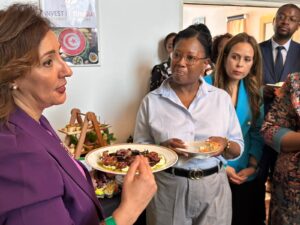
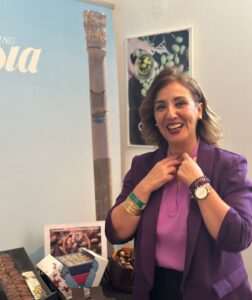
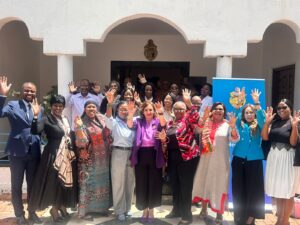
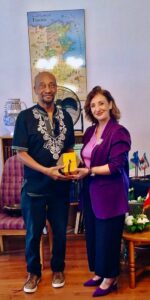
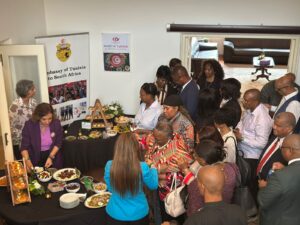
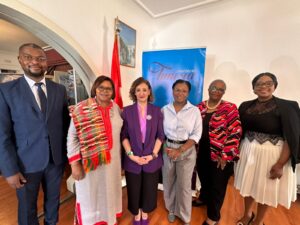
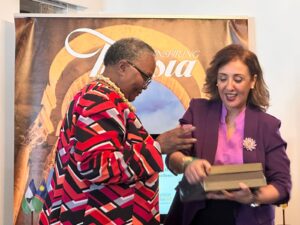
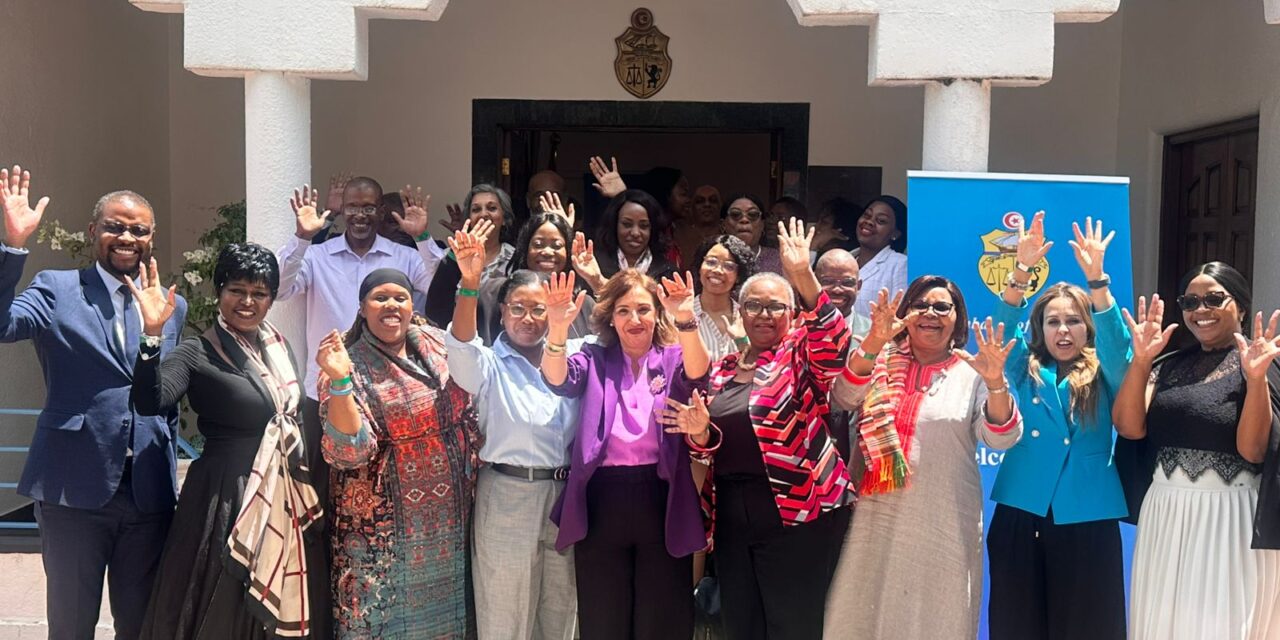
H.E. Ms Karima Bardaoui, Ambassador of Tunisia, hosted an elegant and immersive showcase of Tunisia’s Olive Oil Diplomacy at the Tunisian Embassy in Pretoria, a visionary initiative that places one of the nation’s most treasured resources at the heart of international engagement. The event brought together members of the diplomatic community to experience a refined blend of heritage, sustainability and strategic soft power.
In 2024, the Ministry of Foreign Affairs of Tunisia formally elevated olive oil to a strategic diplomatic instrument. This bold approach was underscored by Mohamed Ali Nafti, who proclaimed 22 December as Tunisia Olive Oil Diplomacy Day. As he noted, Tunisia’s millions of olive trees are more than farmland. They are enduring symbols of sovereignty, resilience and economic self reliance.
Remarkably, Tunisia is home to olive trees that are over 2,000 years old, standing as living witnesses to the country’s ancient agricultural heritage and its deep and enduring relationship with the land. These trees embody a continuity of culture and cultivation that spans civilisations.
Today, Tunisia stands proudly as the world’s fourth largest olive oil producer and the largest outside the European Union, exporting more than 70 per cent of its production worldwide. A global leader in organic olive oil, the sector supports over a million jobs, empowers thousands of producers and sustains a growing network of international partners, demonstrating how agriculture can anchor economic growth and diplomatic outreach.
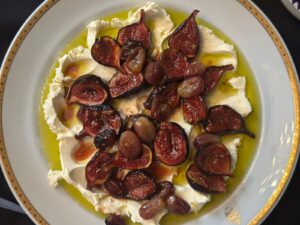
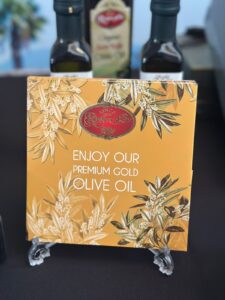
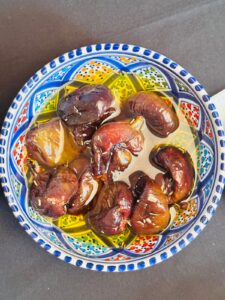
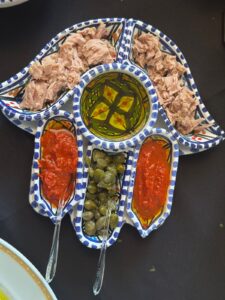
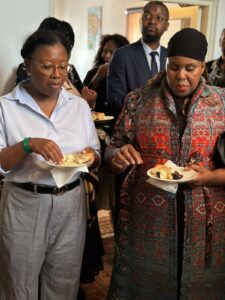
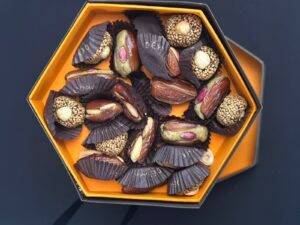
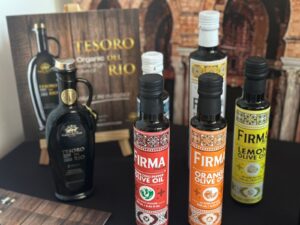
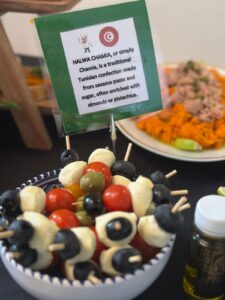
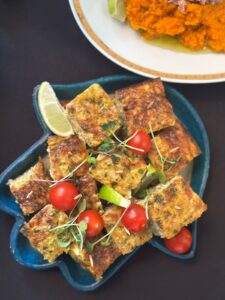
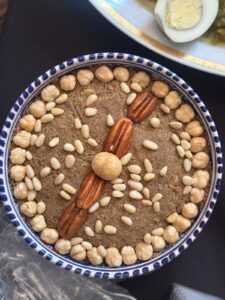
Guests enjoyed curated tastings of premium organic olive oils paired with traditional Tunisian cuisine, transforming the afternoon into a true expression of diplomacy through taste. The showcase affirmed olive oil not only as a culinary excellence, but as a bridge for cultural exchange, sustainable development and cooperation, an inspired example of how soft power can be both authentic and impactful.