by Marion Smith
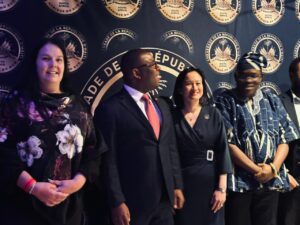
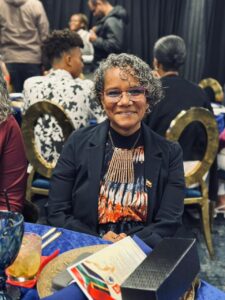
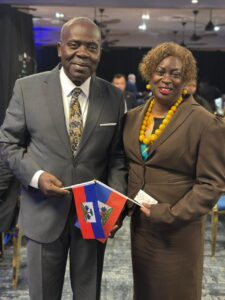
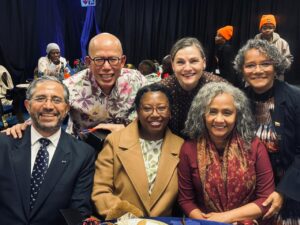
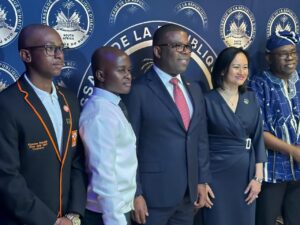
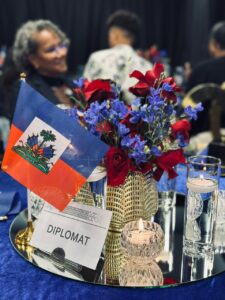
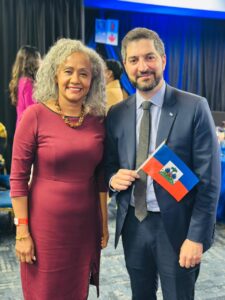
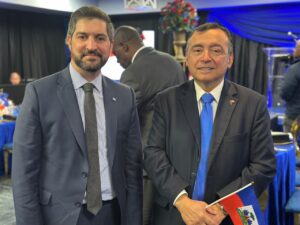
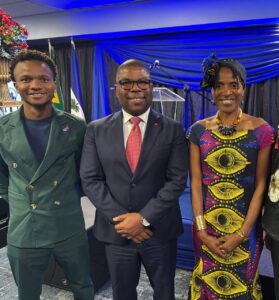
PRETORIA, SOUTH AFRICA, 18 May 2026 – The Embassy of Haiti in Pretoria, in partnership with the University of Johannesburg (UJ), hosted a commemorative ceremony marking the 223rd Anniversary of the Haitian Flag under the theme “Lòt Bò Dlo” (“Beyond the Waters”), bringing together diplomats, academics, students and guests for an evening of reflection, remembrance and renewed engagement between Haiti and Africa.
Held at the University of Johannesburg, the event celebrated one of the most significant symbols in Haitian history, the Haitian flag, while honouring the nation’s remarkable journey from enslavement to sovereignty.
Haiti occupies a unique place in world history as the only nation born from a successful revolt of enslaved people, culminating in independence in 1804. It became the first independent nation in Latin America and the Caribbean and remains one of history’s most powerful affirmations that freedom and dignity are not bestowed but earned through courage, organisation and perseverance.
Addressing guests, Haiti’s Ambassador to South Africa, Jean Pillard, delivered a moving keynote address that explored Haiti’s historical connection to Africa, the enduring spirit of its people and the importance of remembrance.
“Today, 18 May, we observe Haitian Flag Day,” said Ambassador Pillard. “In 1803, in the midst of struggle, two colours, blue and red, were brought together into one. That act was not aesthetic. It was political. It ended separation and defined a people.”
He reflected on Haiti’s revolutionary legacy and the principle embodied in the country’s national motto, L’union fait la force or “Unity makes strength.”
The Ambassador reminded guests that Haiti’s story did not begin with independence in 1804 but long before, in West and Central Africa, from where millions were forcibly taken across the Atlantic during the transatlantic slave trade. He spoke of Haiti’s spiritual and cultural connection to Africa, referencing the traditional song “Lòt bò dlo nan Ginen” (“Beyond the waters, in Africa”), which symbolises the enduring bond between Haiti and its ancestral homeland.
“Haiti is not outside of Africa’s story. It stands within it,” he said. “Even across oceans, even across generations, our ancestors understood that they had not been separated from what they were.”
The ceremony also served as a moment of remembrance for the victims of Haiti’s devastating 2010 earthquake, which claimed more than 200,000 lives. Ambassador Pillard announced plans for a future monument on African soil to honour those lost in the disaster, as well as the countless lives affected by the transatlantic slave trade.
“It is not only a memorial,” he said. “It is a return.”
The evening highlighted the strong parallels between Haiti’s struggle for independence and South Africa’s own journey to democracy and freedom. Ambassador Pillard noted that while the two nations emerged from different historical contexts, both were united by a common understanding that dignity must be defended and freedom sustained.
Professor Letlhokwa George Mpedi, Vice Chancellor and Principal of the University of Johannesburg, congratulated Haiti on the occasion and reaffirmed the university’s commitment to fostering international partnerships and dialogue. He recognised Haiti’s historic contribution to global freedom movements and its enduring significance in world history.
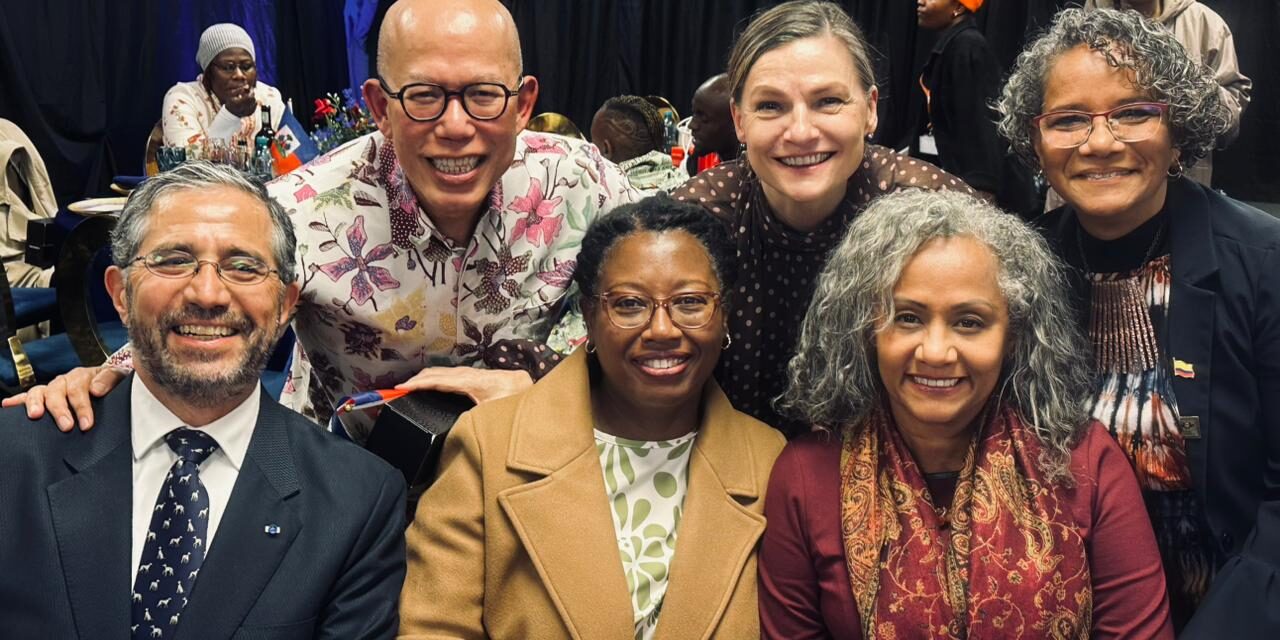
The event also featured contributions from university leadership and deans representing Africa, the Americas and other regions, underscoring the importance of international solidarity and the shared pursuit of human dignity.
Throughout the evening, guests reflected on Haiti’s role beyond its own liberation. Following independence, Haiti provided support to other struggles for freedom across the Americas and offered refuge and citizenship to individuals fleeing persecution, demonstrating a longstanding commitment to justice and human rights.
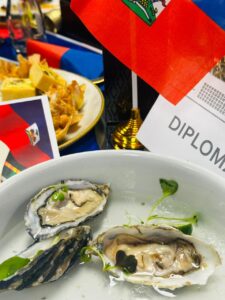
Adding a personal touch to the celebrations, Ambassador Pillard warmly welcomed guests and showcased his culinary talents by personally participating in the preparation of traditional Haitian cuisine served during the reception. His hands on involvement created an atmosphere of hospitality and cultural exchange that was greatly appreciated by attendees.
The celebration was not only a commemoration of a historic flag but also a tribute to the resilience, identity and enduring spirit of the Haitian people. It served as a reminder that Haiti’s legacy continues to inspire conversations about freedom, sovereignty, unity and belonging.
As guests departed, the message of the evening remained clear: Haiti’s story is one of perseverance and possibility, a story that continues to resonate across continents and generations.
The Haitian flag raised on African soil was more than a symbol of a nation. It was a continuation of a shared history, a reaffirmation of enduring connections and a powerful expression of a people who continue to stand with dignity and purpose.
L’union fait la force. Unity makes strength.