by Marion Smith
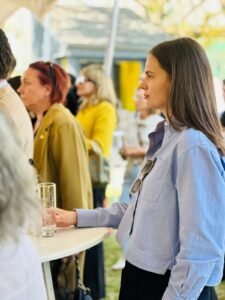
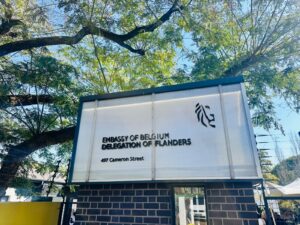
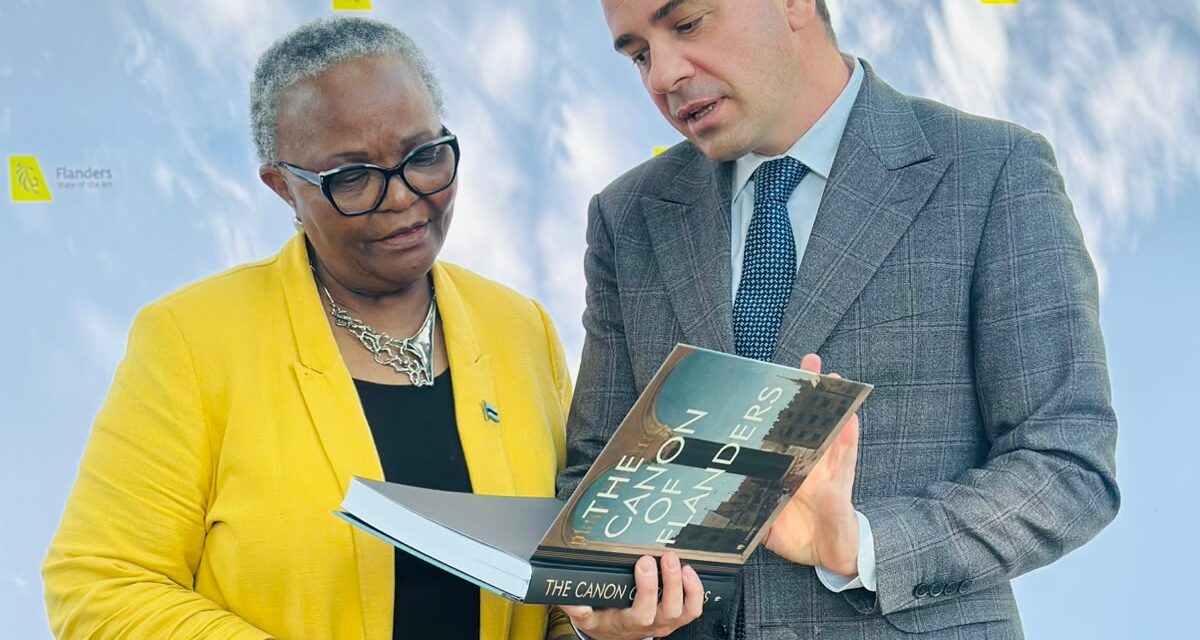
The Embassy of Belgium – Flanders Delegation hosted an inspiring networking event for young men and women as part of South Africa’s Women’s Month celebrations, bringing together learners, educators, media professionals and diplomatic representatives to reflect on leadership, equality and the important role young people will play in shaping the country’s future.
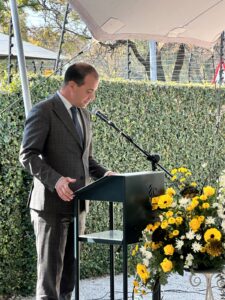
Opening the event, Thomas Castrel, General Representative of Flanders in Southern Africa, welcomed guests and highlighted the importance of creating opportunities for young people to engage with accomplished leaders, exchange ideas and build networks that can empower them to become future changemakers.
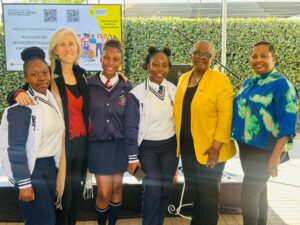
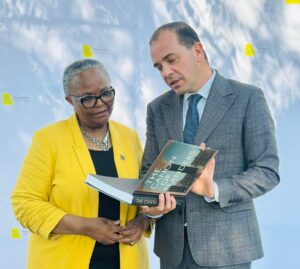
The programme featured an engaging keynote conversation with Faith Mawelela and Promise Motshetshe from Vlakfontein Secondary School, followed by an inspiring keynote address from Jillian Green, Editor-in-Chief of the Daily Maverick.
Drawing inspiration from the historic 1956 Women’s March, Green reminded learners that 70 years ago, more than 20,000 women from across South Africa united across racial, economic and geographic divides to march against injustice. Their courage, she said, remains one of the country’s most powerful examples of collective leadership.
Quoting the famous words, “Wathint’ Abafazi, Wathint’ Imbokodo,” Green reflected on a message that continues to resonate today, reminding South Africans that the journey towards genuine equality did not end with the achievements of previous generations.
Green challenged the audience to recognise that while South Africa’s Constitution provides a strong legal framework for gender equality, the lived reality of many women remains far from equal.
She spoke candidly about the challenges women continue to face, including gender-based violence, unequal access to opportunities, unemployment, poverty and deeply rooted cultural expectations that often require women to balance professional ambitions with traditional household responsibilities.
“True equality requires changing not only our laws but our culture,” she told the audience.
Reflecting on her own journey as Editor-in-Chief, Green described some of the subtle barriers women continue to encounter in leadership positions. She noted that behaviour regarded as decisive and confident when demonstrated by men can sometimes be labelled emotional or aggressive when displayed by women.
She also highlighted the important role of representation in the media, encouraging journalists and media organisations to portray women not only as victims of violence or inequality, but also as experts, innovators, scientists, economists, entrepreneurs and decision-makers whose voices deserve equal prominence.
Turning directly to the young people in attendance, Green urged them to believe in their abilities and not to wait for permission to step into leadership.
“Leadership is not a title you are given; it is a responsibility you claim,” she said.
She encouraged learners to build strong networks, support one another, challenge discrimination wherever they encounter it and continue questioning outdated practices that restrict opportunity. Her message emphasised that meaningful progress depends on courageous individuals who are willing to speak up, challenge convention and create opportunities for those who follow.
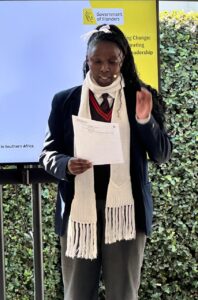
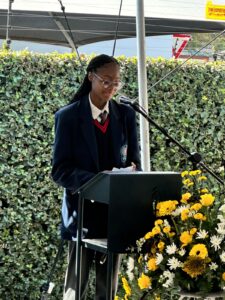
The event concluded with a heartfelt vote of thanks from Lumka Maeko of Hoërskool Silverton, who reflected on the day’s discussions and the lessons learners could take forward.
She thanked the Belgium–Flanders Delegation, participating schools, teachers and organisers for creating a platform where young people could engage directly with influential women and leaders making a difference in South Africa and beyond.
Describing the gathering as more than a Women’s Month celebration, Maeko reflected on a day of learning, inspiration and hope. She encouraged her fellow learners to believe in themselves, embrace opportunities to lead and carry forward the legacy of the women who marched for freedom 70 years ago.
The networking event served as a powerful reminder that the pursuit of gender equality is not solely the responsibility of women or of one generation. By including both young men and women in the conversation, the gathering reinforced the importance of building a society in which everyone has a role to play in challenging inequality and creating meaningful change.
As South Africa commemorates Women’s Month and 70 years since the historic Women’s March, the message of the afternoon was clear: honouring the courage of those who came before must be matched by a commitment to empowering those who come next. Today’s young people have an important role to play in building a future where every girl and woman can live safely, pursue opportunity, lead confidently and realise her full potential.