by Marion Smith
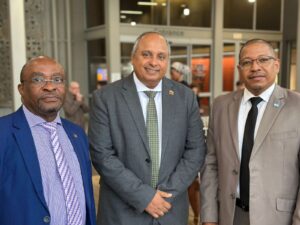
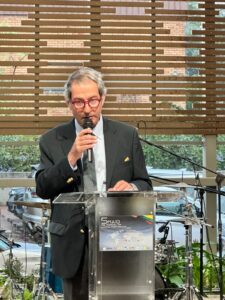
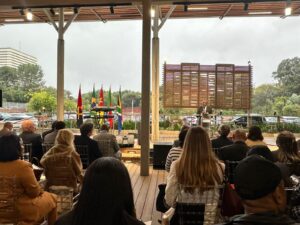
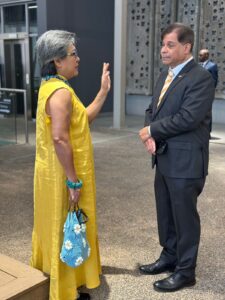
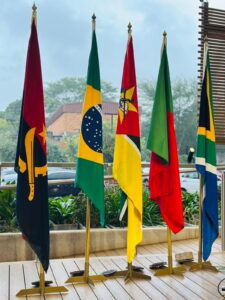
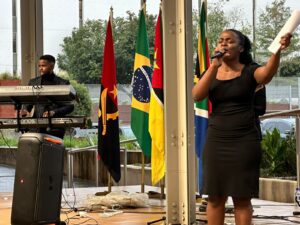
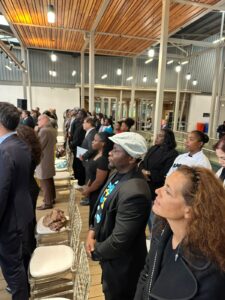
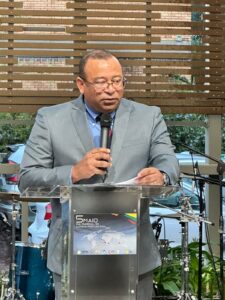
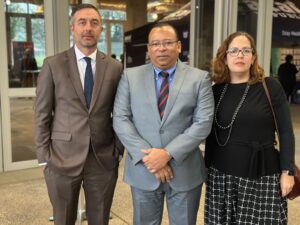
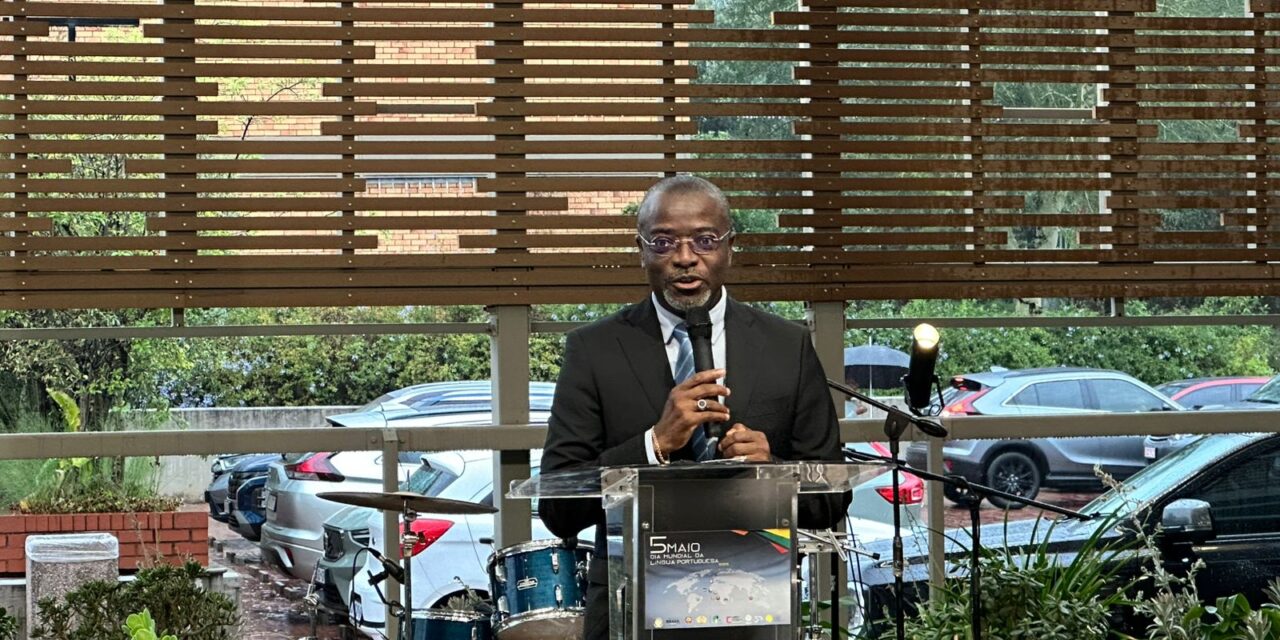
World Portuguese Language Day was commemorated on 5 May 2026 at the Javett Art Centre at the University of Pretoria in a vibrant and culturally rich gathering hosted by the Embassies of Brazil, Portugal, Mozambique and Angola. The occasion brought together diplomats, academics, cultural leaders and guests in celebration of one of the world’s most widely spoken and culturally influential languages.
The event honoured the Portuguese language not only as a means of communication, but as a living bridge between continents, cultures and histories. Rich in rhythm, expression and diversity, Portuguese continues to unite communities across Africa, Europe, South America and beyond, while also embracing the unique cultural identities of the people who speak it.
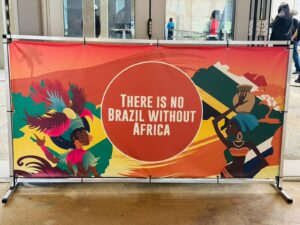
This year’s celebration once again placed a special focus on Africa, a continent where the Portuguese language continues to grow in influence and importance. In South Africa, whose exemplary Constitution recognises Portuguese among the languages to be protected and respected, the teaching and learning of Portuguese continues to flourish across schools, universities and cultural institutions. The language serves as a valuable connector in diplomacy, education, trade and cultural exchange.
Across the African continent, Portuguese is increasingly becoming not only a language of education and administration, but also a mother tongue spoken in homes and communities. In Angola, for example, Portuguese is now spoken by close to 40% of the population as a first language, reflecting its deep and evolving cultural presence within society.
The reach of Portuguese extends far beyond Lusophone nations. Countries such as Senegal are also seeing growing enthusiasm for the language, with nearly 48,000 students currently studying Portuguese within the official education system. This remarkable growth reflects decades of investment in language education and international cooperation, highlighting the role of language as a tool for opportunity, understanding and connection.
The celebration at the Javett Art Centre was a powerful reminder that language is far more than words on a page. It is identity, heritage, memory and belonging. It carries stories across generations and builds bridges between nations and people.
As guests gathered in the spirit of friendship and cultural appreciation, World Portuguese Language Day stood as a vibrant tribute to the enduring global influence of the Portuguese language, a language that continues to inspire unity through diversity and strengthen connections across the world.