by Marion Smith
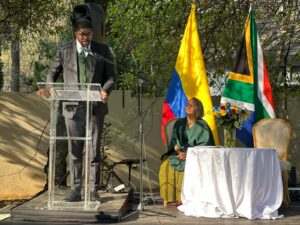
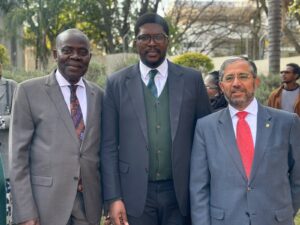
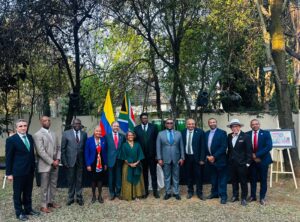
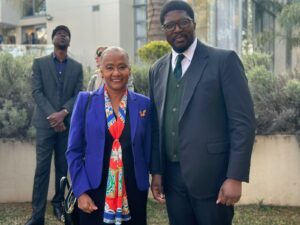
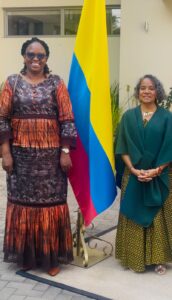
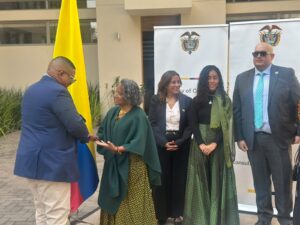
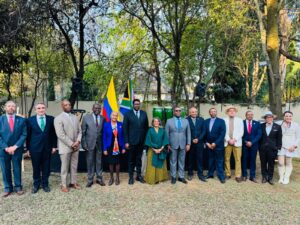
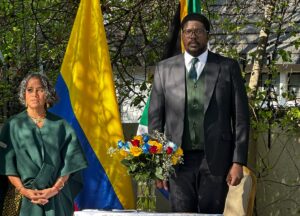
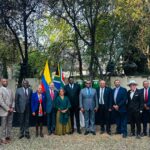
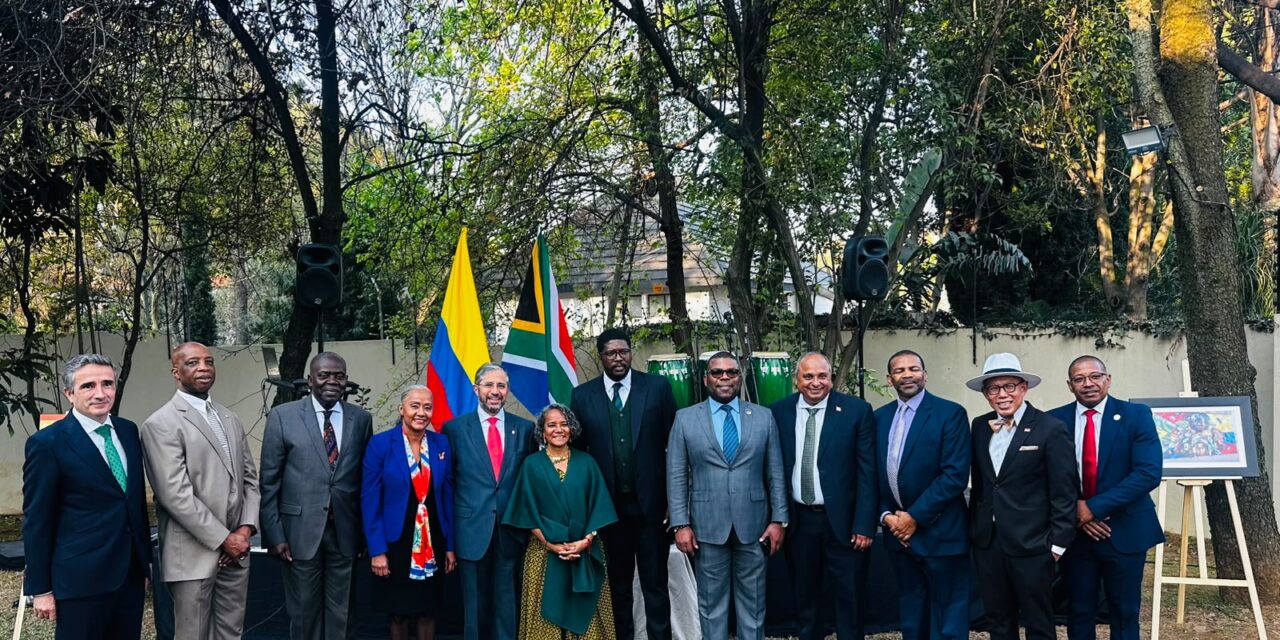
The Embassy of Colombia in South Africa celebrated Colombia’s National Day at the official residence of H.E. Ambassador María del Rosario Mina Rojas, bringing together members of the diplomatic corps, government representatives, business leaders and members of the Colombian community to commemorate the country’s independence while celebrating the growing partnership between Colombia and South Africa.
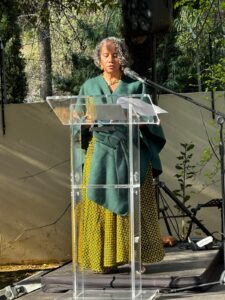
Marking Colombia’s Declaration of Independence on 20 July 1810, Ambassador Mina Rojas reflected on the enduring values of freedom, sovereignty, dignity and democracy that continue to shape the Republic of Colombia.
“True independence is not only about breaking political chains, but about building societies based on equality, justice, kindness and mutual respect,” she said. “Colombia and South Africa remind us that determination and persistence can transform societies and inspire future generations to build a more equitable world.”
The Ambassador highlighted the many similarities between Colombia and South Africa, noting that while Colombia celebrates more than two centuries of independence, South Africa marks 32 years of democracy and 30 years since the adoption of its democratic Constitution. She described South Africa as a sister nation with which Colombia shares common values, historical experiences and aspirations for the future.
A significant part of her address focused on the progress made in bilateral relations during her three-year tenure in Pretoria.
She recalled the launch of Colombia’s Africa Strategy in 2022, aimed at strengthening political, economic and cultural engagement with the African continent. The strategy has already contributed to several landmark developments, including the historic 2023 visit of Colombian Vice President Francia Márquez to South Africa, the first high-level Colombian government visit to the country in more than two decades.
Ambassador Mina Rojas highlighted expanding cooperation in trade, education, culture, sport, heritage preservation, telecommunications, environmental policy and women’s entrepreneurship. She noted that South African business delegations have visited Colombia to explore investment opportunities, while the two countries have established political consultation mechanisms and are finalising several bilateral agreements covering investment, sport, international cooperation and visa waivers for diplomatic and official passport holders.
Education has also become an important pillar of the relationship through Colombia’s scholarship programmes, providing African students with opportunities for postgraduate studies and immersive Spanish-language training.
Cultural diplomacy has flourished through collaborations between museums, universities, artists, festivals and sporting organisations. Exchanges involving heritage institutions, women’s rugby programmes, music festivals and academic networks have strengthened people-to-people connections while showcasing the rich cultural diversity of both nations.
The Ambassador also highlighted Colombia’s growing role in promoting South-South cooperation and strengthening relations between Africa and Latin America through initiatives such as the CELAC-Africa dialogue and collaboration within multilateral organisations.
Reflecting on her diplomatic mission, Ambassador Mina Rojas thanked South Africa for its friendship and support.
“This will be my last National Day celebration with you,” she said emotionally. “South Africa was in my heart before I arrived, and it will remain in my heart forever. As a Black African woman, reconnecting with the roots of my ancestry has been one of the greatest privileges of my life.”
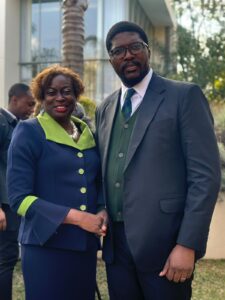
Representing the South African Government, Deputy Minister of Transport Mkhuleko Hlengwa congratulated Colombia on its successful elections earlier this year and reaffirmed South Africa’s commitment to strengthening bilateral cooperation with the incoming Colombian administration.
He praised the steady growth in relations between the two countries, particularly following the Vice President’s visit in 2023 and the inaugural political consultations held in 2025.
The Deputy Minister welcomed progress on agreements relating to diplomatic visa exemptions, arts and culture, and sport, while highlighting opportunities for increased trade and investment.
He identified critical minerals, renewable energy, agriculture, healthcare, digital trade and innovation as sectors with significant potential for deeper collaboration between Africa and Latin America.
Hlengwa also welcomed Colombia’s role as a non-permanent member of the United Nations Security Council for 2026-2027 and commended continued cooperation between the two countries within the Hague Group and other multilateral forums.
“As partners of the Global South, South Africa and Colombia remain united in promoting multilateralism, sustainable development and a more representative international order,” he said.
The afternoon served not only as a celebration of Colombia’s independence, but also as a testament to the flourishing friendship between Colombia and South Africa. Built on shared values, expanding cooperation and increasingly strong people-to-people connections, the relationship reflects a common vision for deeper collaboration between Africa and Latin America and a more inclusive and prosperous future.