by Marion Smith
Tucked away on the eastern shores of the Baltic Sea lies one of Europe’s most rewarding travel destinations. Lithuania, often described as the geographical heart of Europe, effortlessly combines centuries of history with a thriving modern culture, exceptional gastronomy, pristine public spaces and warm hospitality. With a population of just 2.9 million people, this Baltic nation offers visitors an authentic European experience without the overwhelming crowds found in many larger capitals.
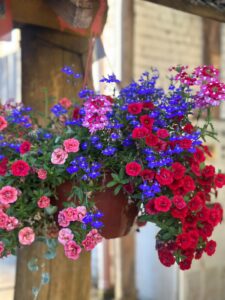
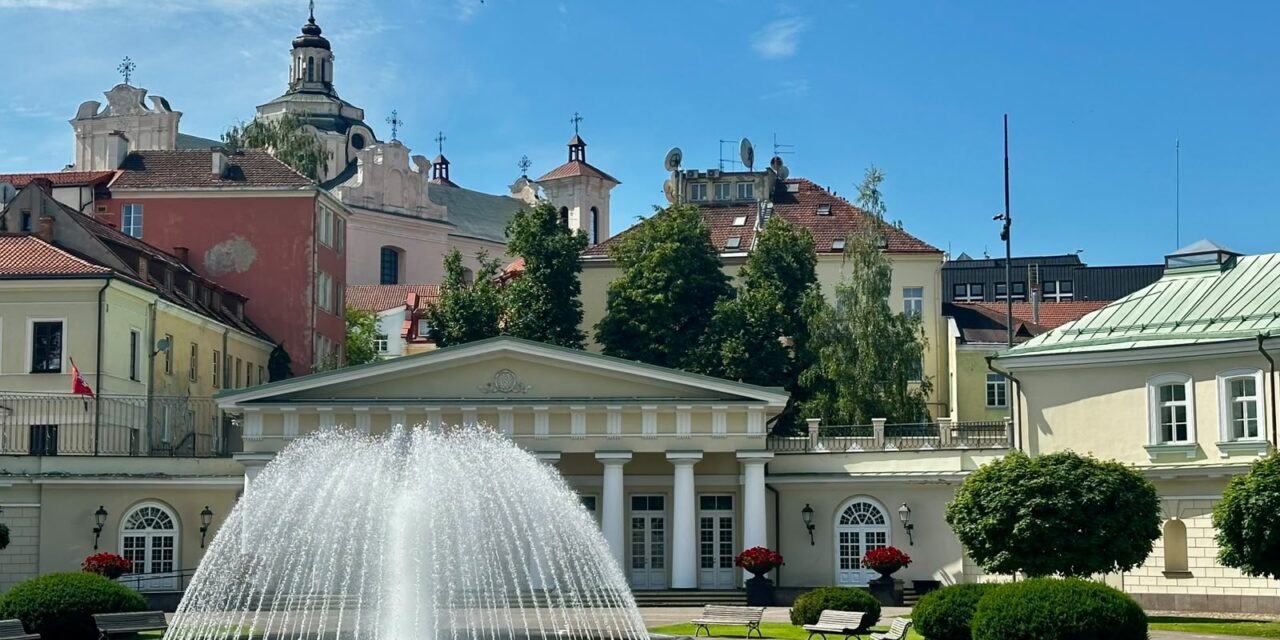
One of the first things visitors notice upon arriving in Vilnius is how remarkably clean the city is. Streets are immaculate, public spaces are beautifully maintained, and lush green parks blend seamlessly with centuries-old architecture. English is widely spoken throughout the capital, making it an easy destination for international travellers.
During the summer months, Lithuania truly comes alive. Long daylight hours allow visitors to enjoy sightseeing well into the evening, with the golden light lingering until after 10 p.m., creating the perfect atmosphere for leisurely walks, outdoor dining and riverside cafés.
A Medieval Masterpiece
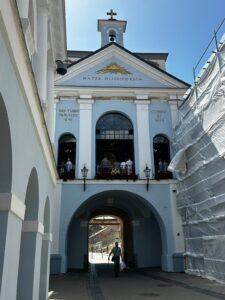
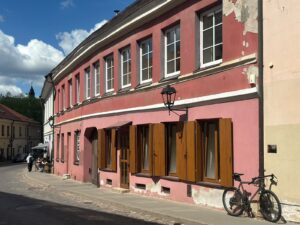
At the centre of Lithuania’s capital lies Vilnius Old Town, one of the largest surviving medieval old towns in Northern Europe. Covering an impressive 3.59 square kilometres, it was recognised as a UNESCO World Heritage Site in 1994 for its remarkably preserved medieval street layout and magnificent Baroque architecture.
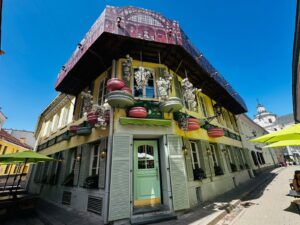
Every corner reveals another architectural treasure, from colourful courtyards and church spires to elegant townhouses and hidden cafés.
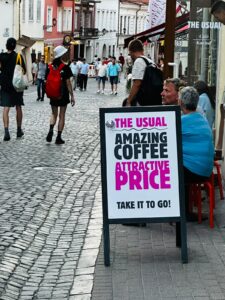
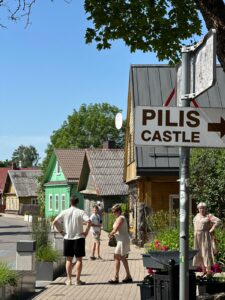
One of the most charming streets is Pilies Street (Castle Street), the oldest street in Vilnius. Lined with outdoor cafés, local artists, street musicians and traditional craft markets, it perfectly captures the relaxed atmosphere of the Lithuanian capital.
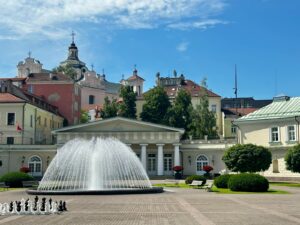
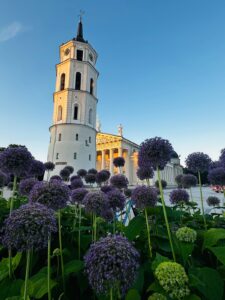
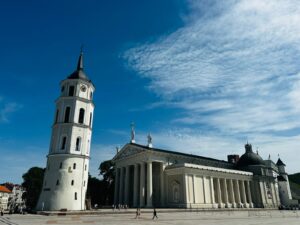
Just a short stroll away lies Cathedral Square, the historic heart of Vilnius. Dominated by the impressive neoclassical Vilnius Cathedral and its iconic freestanding Belfry Tower, the square serves as the city’s gathering place for celebrations, concerts and cultural events.
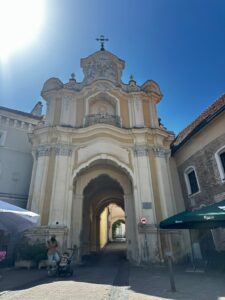
Nearby stands one of Lithuania’s most photographed landmarks, St Anne’s Church. Built between 1495 and 1500, this Flamboyant Gothic masterpiece is famous for its intricate red brick façade. According to legend, Napoleon Bonaparte was so captivated by its beauty that he remarked he wished he could carry the church back to Paris in the palm of his hand.
The Republic of Užupis
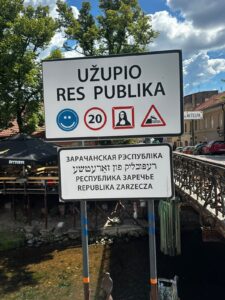
Crossing the Vilnelė River leads visitors into one of Europe’s quirkiest neighbourhoods: the self-declared Republic of Užupis.
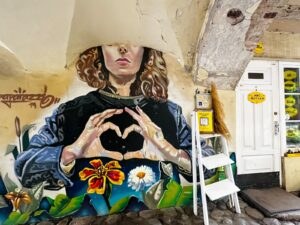
Once a neglected district, Užupis has transformed into a thriving artists’ quarter filled with galleries, cafés and creative spaces. Declaring its “independence” on 1 April 1997, the republic boasts its own constitution, anthem, flag, currency and government.
Visitors entering across the Bridge of Užupis can even receive a passport stamp at the local information centre. The bridge has also become a favourite location for couples to place love locks.
The Užupis Constitution, displayed on mirrored plaques in more than 50 languages, reflects the district’s playful philosophy. Among its memorable articles are “Everyone has the right to be unique” and “Everyone has the right to live by the River Vilnelė, and the River Vilnelė has the right to flow by everyone.”
A Castle on an Island
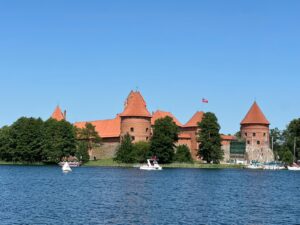
Around 45 minutes from Vilnius lies one of Lithuania’s most iconic attractions: Trakai Island Castle.
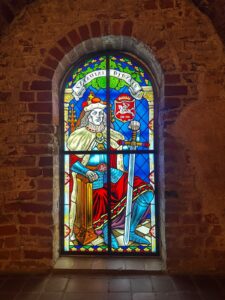
Standing majestically on an island in Lake Galvė, this beautifully restored 14th-century fortress once served as both a strategic military stronghold and a royal residence for the rulers of the Grand Duchy of Lithuania.
The surrounding Trakai Historical National Park offers stunning scenery, boat rides and walking trails, making it one of the country’s most popular day trips.
Trakai is also home to one of Europe’s smallest ethnic minorities, the Karaims. Brought from Crimea more than 600 years ago by Grand Duke Vytautas to serve as royal bodyguards and border guards, today only around 200 Karaims remain in Lithuania. Their unique culture, language and traditional cuisine continue to be preserved, adding another fascinating layer to Lithuania’s multicultural heritage.
Libraries Reimagined
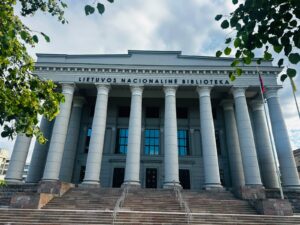
One of Vilnius’ most impressive modern institutions is the Martynas Mažvydas National Library of Lithuania.
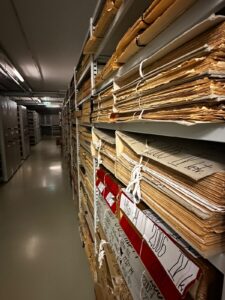
Far more than a traditional library, it serves as a cultural hub, innovation centre and community space. Founded in 1919, it houses nearly seven million books, manuscripts and multimedia items.
Visitors will find free meeting rooms available for up to two hours, making them ideal for business meetings or remote work. Creative professionals can hire a fully equipped television studio for podcasts and video production, while musicians have access to professional recording studios.
Children are equally well catered for through imaginative makerspaces stocked with free tools and materials to encourage creativity. The children’s library is divided into dedicated sections for babies, toddlers and older children.
One particularly inspiring initiative encourages literacy from birth. Every Lithuanian and Ukrainian baby born in Lithuania whose family joins a public library receives a complimentary book and reading bag. Families also benefit from supervised children’s play areas, allowing parents time to work or study while their children are cared for.
Lithuanian Gastronomy
Lithuania’s food scene is full of pleasant surprises.
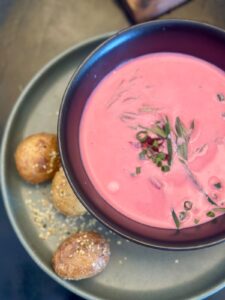
One of the country’s most famous dishes is its vibrant pink cold beetroot soup, Šaltibarščiai. Refreshing, colourful and perfect for warm summer days, it has become an iconic symbol of Lithuanian cuisine.
An unforgettable dining experience can be enjoyed at Protėviai, whose name translates as “Ancestors”. With the slogan “The Legend of Fire and Steaks, Inspired by Ancestors of the World”, the restaurant celebrates ancient cooking techniques using open flames and wood smoke. Its dramatic interior features enormous carved wooden sculptures and a spectacular fire-inspired central counter carved from a single massive tree trunk, creating an unforgettable atmosphere.
Celebrating Ancient Traditions
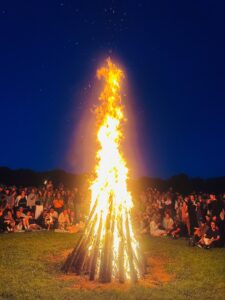
Lithuania proudly preserves its ancient customs, none more beautiful than Rasos, the summer solstice festival.
Held at Kernavė, one of Lithuania’s oldest archaeological sites, the celebration honours nature, fire and water through flower crowns, bonfires, folk dancing and traditional songs. Visitors can join locals weaving flower wreaths before taking part in age-old traditions, including the mythical search for the elusive fern flower on the shortest night of the year.
A Window to the World
For something uniquely modern, visitors should stop by the Vilnius Portal in Town Hall Square.
This remarkable circular sculpture functions as a giant digital doorway connecting Vilnius with cities around the globe through live high-definition video. Without any sound, strangers communicate simply by waving, dancing, smiling or holding handwritten messages. During one visit, cheerful exchanges took place with people in Ireland, the United States and other countries, demonstrating how technology can bring people together across continents.
An Unexpectedly Amazing Destination
Lithuania may not yet appear on every traveller’s bucket list, but perhaps it should.
From medieval streets and island castles to world-class libraries, fascinating minority cultures, vibrant festivals and exceptional cuisine, Lithuania offers an experience that is authentic, affordable and refreshingly uncrowded.
Combined with spotless cities, friendly English-speaking locals, long summer evenings and a deep respect for both heritage and innovation, this Baltic nation proves itself to be one of Europe’s best-kept secrets.
For travellers seeking history, culture, gastronomy and genuine hospitality, Lithuania truly lives up to its reputation as the heart of Europe.