by Marion Smith
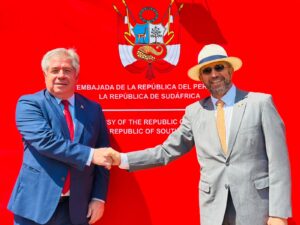
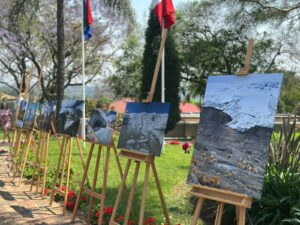
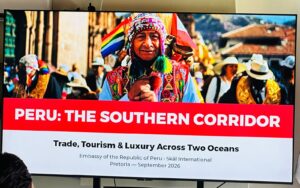
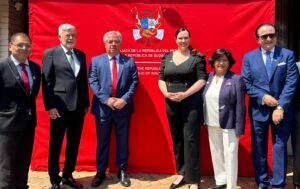
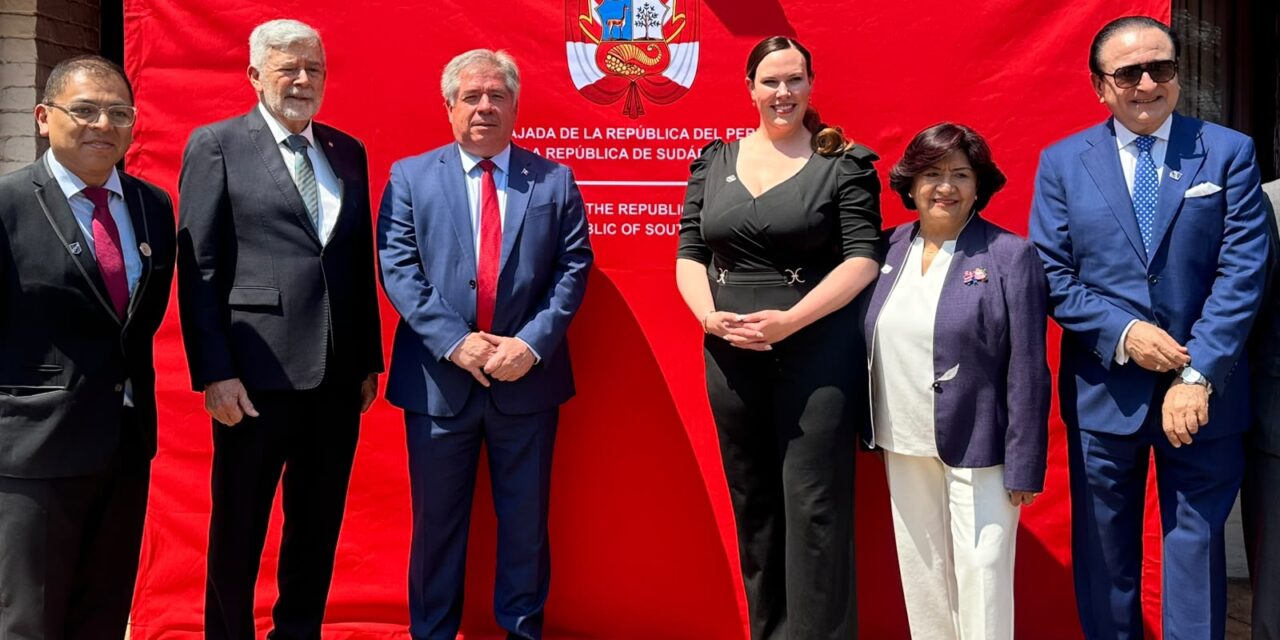
The Embassy of the Republic of Peru in South Africa and Skål International Peru hosted a B2B networking and cocktail reception at the residence of H.E. Ambassador José Javier Augusto Shaw, bringing together tourism professionals and industry representatives to strengthen links between South Africa and Peru.
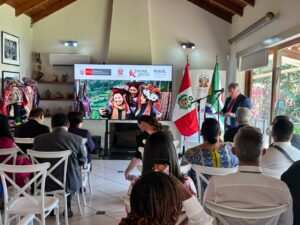
Ambassador Shaw welcomed guests to his residence, including members of the Skål International Peru delegation visiting South Africa. The event provided an opportunity to exchange ideas, explore tourism opportunities and highlight Peru as a destination offering a diverse combination of culture, cuisine, adventure and heritage.
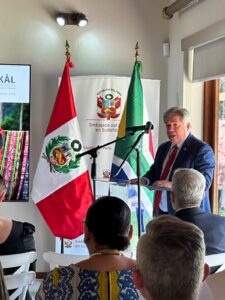
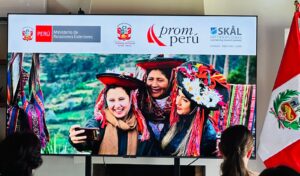
Elizabeth Shumaker, who has lived permanently in Peru since 2010 and is a member of the local Chamber of Commerce, Skål International and other international tourism organisations, spoke about the country’s tourism offering in her capacity as President of Skål International Cusco.
She described Peru as an experiential destination where visitors can do far more than simply see famous landmarks.
“Peru is not something that people simply look at. It’s something that they taste. It’s something that they live,” she explained, highlighting opportunities for travellers to cook, walk, learn, meet local communities, visit markets and participate in workshops.
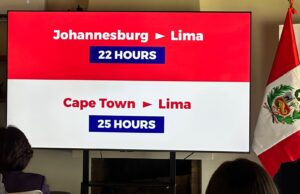
The presentation placed particular emphasis on Peru’s “Southern Corridor” and the growing potential to strengthen connections between South America and southern Africa. Improved air connectivity is making travel between the two regions increasingly accessible, with routes connecting South Africa through São Paulo and onwards to Peru. Lima remains Peru’s principal international hub, while connections to Cusco provide access to the Sacred Valley and Machu Picchu.
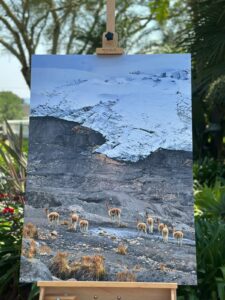
Peru’s three distinct geographical regions, the coast, Andes and Amazon, were also showcased. The Pacific coast combines desert landscapes, archaeological sites, surfing, vineyards and Pisco production. The Andes offer mountains, trekking, archaeological treasures and living Indigenous cultures, while the Amazon provides rainforest experiences, wildlife, river journeys, conservation initiatives and community-based tourism.
A major theme of the presentation was Peru’s multicultural identity. Indigenous, Spanish, African, Chinese and Japanese influences have shaped the country’s cuisine, music, architecture and traditions.
Cuisine is particularly important to Peru’s tourism identity. Lima has developed an international reputation for gastronomy, while visitors can also experience traditional markets, cooking classes and local food experiences. Shumaker explained that enjoying a meal in Peru can reveal several chapters of the country’s history through its ingredients and culinary traditions.
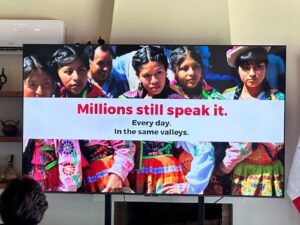
Language and living heritage were another focus, with Quechua and other Indigenous languages continuing to form part of everyday life in communities across the country. The Sacred Valley, she noted, should not simply be viewed as an archaeological attraction, but as a living cultural landscape.
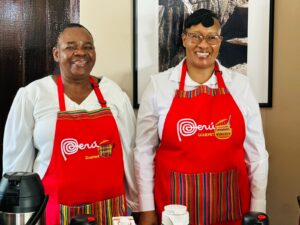
The afternoon also provided guests with an opportunity to experience a taste of Peru. Guests enjoyed the country’s national cocktail, the Pisco Sour, a famous drink made with Peruvian grape brandy, while networking and discussing opportunities for greater tourism cooperation between the two regions.
The reception underlined the potential of tourism to build stronger people-to-people connections between South Africa and Peru, while introducing industry professionals to the many experiences awaiting travellers “at the end of the world”.