by Marion Smith
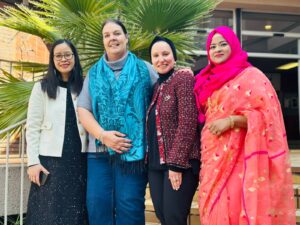
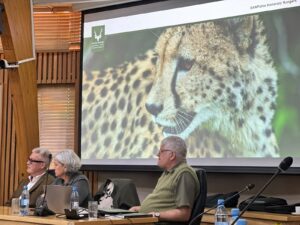
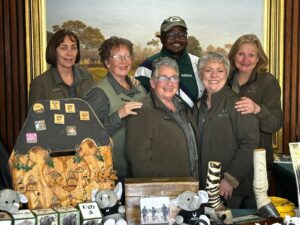
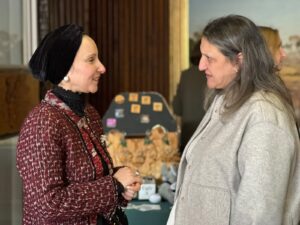
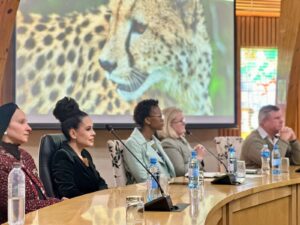
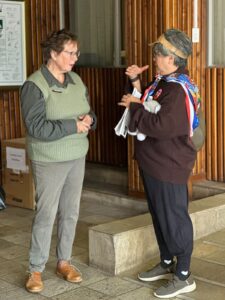
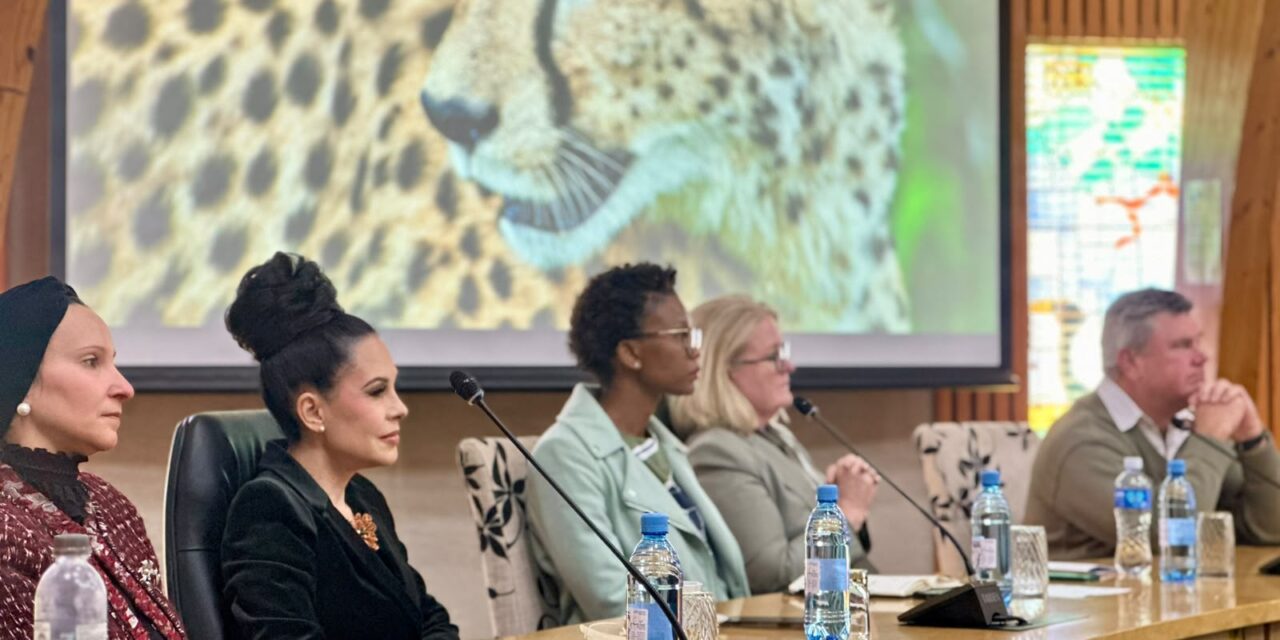
The International Diplomatic Spouses Association (IDSA) held its monthly Coffee Morning at the SANParks headquarters in Pretoria, where members were hosted by the SANParks Honorary Rangers for an informative morning focused on conservation, community development and partnership.
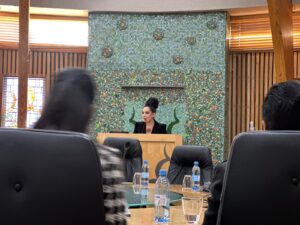
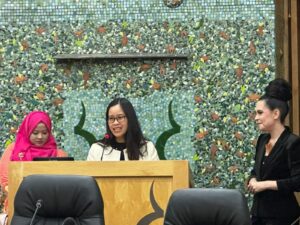
IDSA President Karem Ruiz de Livieres welcomed guests before handing over to Master of Ceremonies Riaan Potgieter, who guided attendees through a programme highlighting the work of SANParks and its dedicated network of Honorary Rangers.
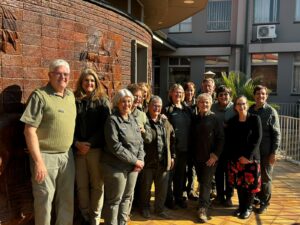
Opening the event, Ghita Erling extended a warm South African welcome to the diplomatic spouses, acknowledging IDSA Patron Mrs Winny Lamola, SANParks Acting Chief Operating Officer Irene Sinovich, General Manager of Visitor Services Kevin Moore, General Manager of Resource Mobilisation Oratile Khama, SANParks Chief Financial Officer Kethiwe Silubane, as well as fellow Honorary Rangers.
Erling highlighted the shared values between IDSA, SANParks and the SANParks Honorary Rangers, noting that all three organisations are committed to preserving South Africa’s natural heritage while creating meaningful connections between people, nature and local communities.
She explained that SANParks is the custodian of 21 national parks covering more than four million hectares of land and 370,000 hectares of marine protected areas, including three UNESCO World Heritage Sites and five transfrontier conservation areas. These protected areas are not only national treasures but also globally significant ecosystems.
Erling also showcased the remarkable contribution of the SANParks Honorary Rangers. The organisation comprises more than 2,500 volunteers who donated over 400,000 volunteer hours during the 2025 financial year while contributing approximately R14 million worth of goods and services. Their combined efforts added an estimated R100 million in value to SANParks through projects ranging from anti-poaching K9 units and ranger wellness programmes to visitor interpretation, tourism fundraising initiatives and socio-economic development projects.
Addressing guests, SANParks Acting Chief Operating Officer Irene Sinovich outlined the organisation’s Vision 2040 strategy, which places communities at the centre of conservation.
She explained that extensive public consultation revealed that communities living adjacent to national parks wanted to be included in conservation efforts and to benefit more directly from the parks.
“We realised that if communities living next to our parks are not part of what we do, conservation itself is at risk,” she said.
Sinovich described several initiatives already under way, including environmental education programmes, early childhood development, school infrastructure projects and sustainable agriculture initiatives designed to enable neighbouring communities to become suppliers to SANParks.
She also highlighted the growing challenges posed by climate change, noting that recent flood damage in the Kruger National Park had caused approximately R900 million in damage, reinforcing the need to rebuild infrastructure that is more resilient to future climate impacts.
Encouraging the diplomatic community to become ambassadors for South Africa’s conservation story, Sinovich said every visitor has an opportunity to promote the country’s extraordinary national parks internationally.
Abramie Potgieter, SANParks Honorary Rangers Socio-Economic Transformation Liaison, presented an overview of the organisation’s expanding socio-economic development programme.
He explained that the Honorary Rangers have intensified their community outreach in response to SANParks’ increased focus on transformation and community beneficiation.
Among the projects highlighted were early childhood development initiatives in Cookhouse in the Eastern Cape, where the Honorary Rangers have invested in educational resources, playground equipment, classroom furnishings and children’s books for local schools and libraries.
Potgieter also showcased projects supporting children living in national parks, including winter schools focusing on mathematics, English and science, holiday fitness programmes, and recreational facilities for families stationed in remote parks.
Looking ahead, he outlined future priorities, including food gardens at schools, continued educational support, business and hospitality skills development for community-owned tourism enterprises, and several Nelson Mandela Day initiatives.
One particularly moving project involves providing school uniforms to children in Mhinga who lost their belongings during devastating floods earlier this year. While funding has already been secured for more than 70 uniforms, Potgieter said hundreds more children still require assistance.
Throughout the morning, guests gained valuable insight into how conservation extends far beyond protecting wildlife, encompassing education, economic development, community partnerships and sustainable livelihoods.
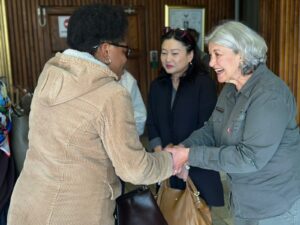
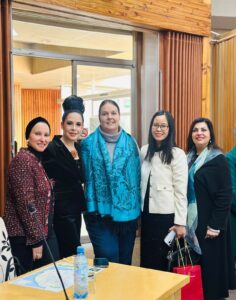
The event concluded on an emotional note as IDSA bid farewell to seven diplomatic spouses whose postings in South Africa have come to an end. Members wished them every success as they return home or embark on new diplomatic assignments, reflecting the enduring friendships and international connections fostered through the association.